
MyFXBook has become an invaluable tool for traders seeking transparency, accountability, and data-driven insights. By tracking verified trading accounts, traders can identify successful strategies, risk management practices, and trade execution patterns. This article explores how to learn from MyFXBook track records and replicate key practices to improve trading performance.
Step 1: Analyzing Verified Performance
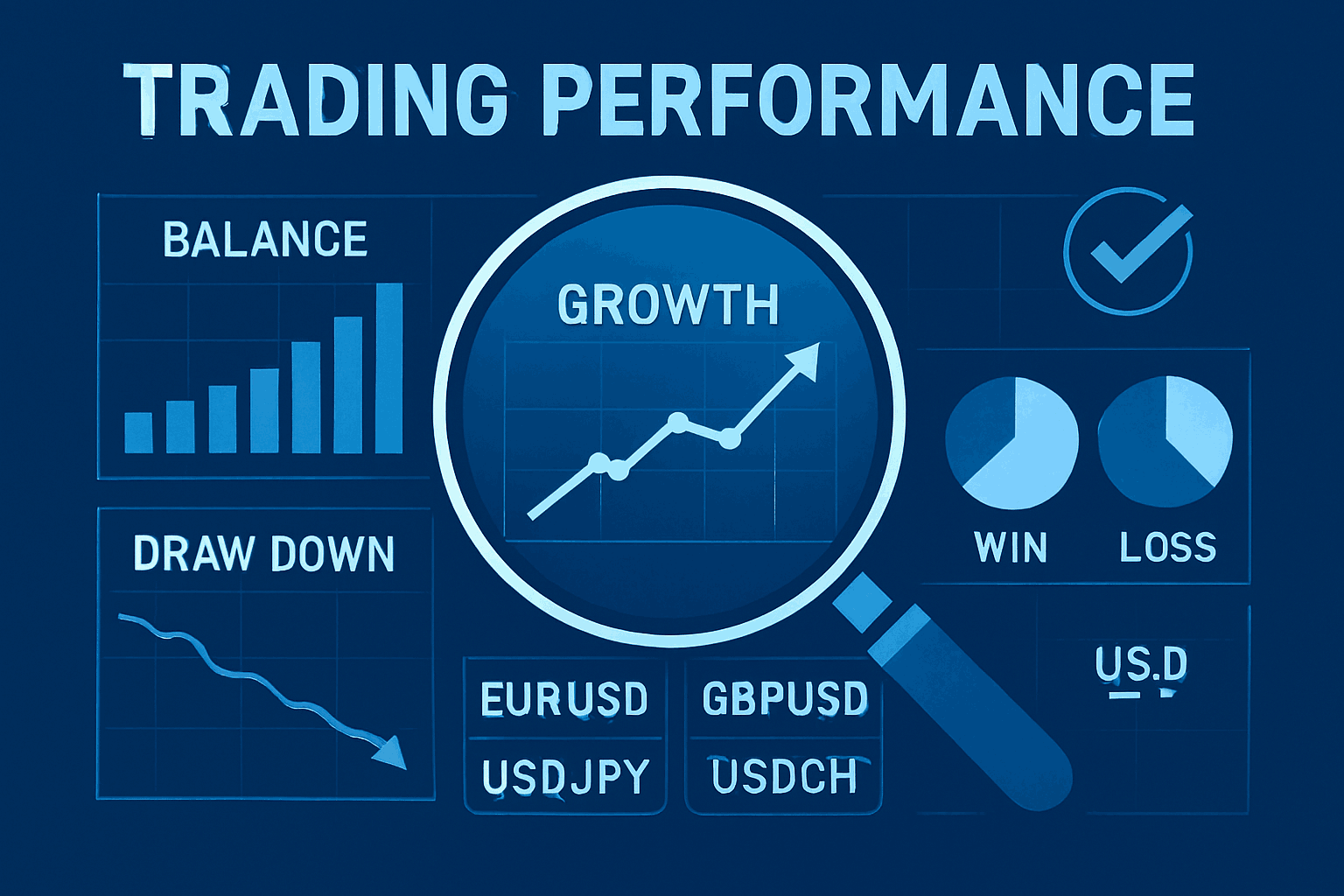
The first step in learning from MyFXBook track records is to focus on verified accounts. Verified accounts provide an objective view of a trader’s performance, including realized profits, drawdowns, and win-loss ratios.
Key points to observe:
- Consistency: Look for accounts that demonstrate steady growth rather than erratic spikes. Consistency often indicates a disciplined approach.
- Drawdown Management: Accounts with controlled drawdowns reflect effective risk management and can provide insights into position sizing and stop-loss strategies.
- Trade Frequency: Examine whether the trader is high-frequency or selective. Understanding the approach helps you gauge what matches your own trading style.
By analyzing these metrics, traders can identify patterns and strategies that are replicable in their own accounts.
Step 2: Understanding Strategy Types

MyFXBook accounts often include details about the trading strategy used, such as:
- Trend Following: Trades are taken in the direction of established market trends.
- Mean Reversion: Positions are opened when prices move away from historical averages.
- Breakout Trading: Trades are triggered when price breaks key support or resistance levels.
- News-Based Trading: Trades are aligned with economic releases and market-moving events.
By identifying the strategy employed, traders can test similar methods in demo accounts before applying them with real capital. This reduces risk while familiarizing themselves with the logic behind successful trades.
Step 3: Observing Risk Management Practices
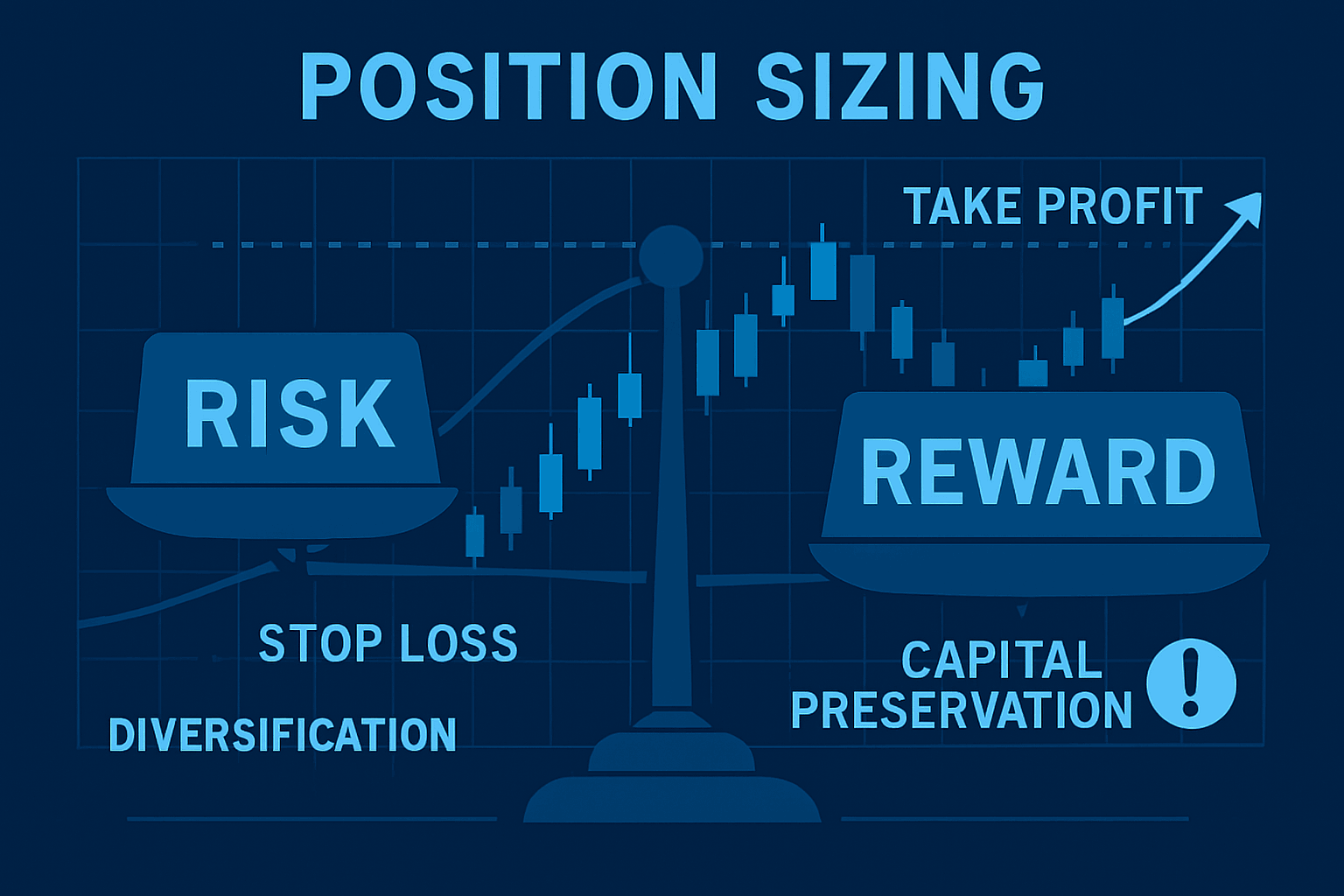
One of the most important aspects of replicating MyFXBook success is learning risk management techniques. Key factors to study include:
- Stop-Loss and Take-Profit Placement: Observe how professionals set stops relative to market volatility and support/resistance zones.
- Position Sizing: Many top-performing accounts risk a small, consistent percentage per trade, often 1–2% of total capital.
- Diversification: Some traders diversify across multiple currency pairs or asset classes to reduce exposure to a single market.
Replicating these practices allows traders to manage losses, preserve capital, and sustain growth over the long term.
Step 4: Reviewing Trade History

MyFXBook provides detailed trade histories that are ideal for study. Traders should focus on:
- Entry and Exit Timing: Note the price points at which profitable trades were entered and exited.
- Market Conditions: Understand the market environment during each trade. Were trends, consolidations, or news events influencing outcomes?
- Patterns of Success and Failure: Identify recurring setups that led to gains or losses. This helps refine your own strategy.
Studying trade histories helps traders internalize market behaviors and improve decision-making.
Step 5: Replication and Adaptation
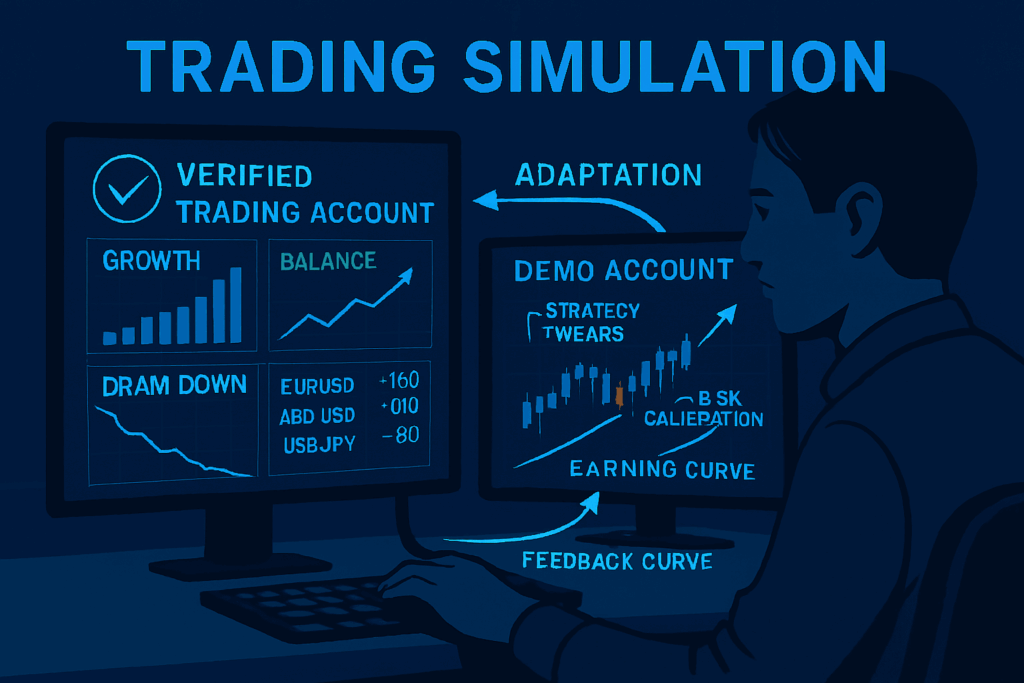
Replication does not mean copying trades blindly. Instead, traders should:
- Test similar strategies on demo accounts first.
- Adjust parameters to suit personal risk tolerance and trading style.
- Incorporate lessons from MyFXBook regarding timing, risk management, and market analysis.
This approach ensures that traders are learning from proven strategies while maintaining individuality and adaptability.
Final Thoughts
MyFXBook track records provide a wealth of knowledge for traders looking to improve performance. By analyzing verified accounts, understanding strategies, observing risk management, reviewing trade history, and selectively replicating practices, traders can enhance their skills, make more informed decisions, and increase the probability of consistent profitability.
The key takeaway is that success in trading comes not from mimicry, but from learning, adapting, and applying lessons systematically. MyFXBook serves as a transparent guide, helping traders bridge the gap between theory and real-world market execution.