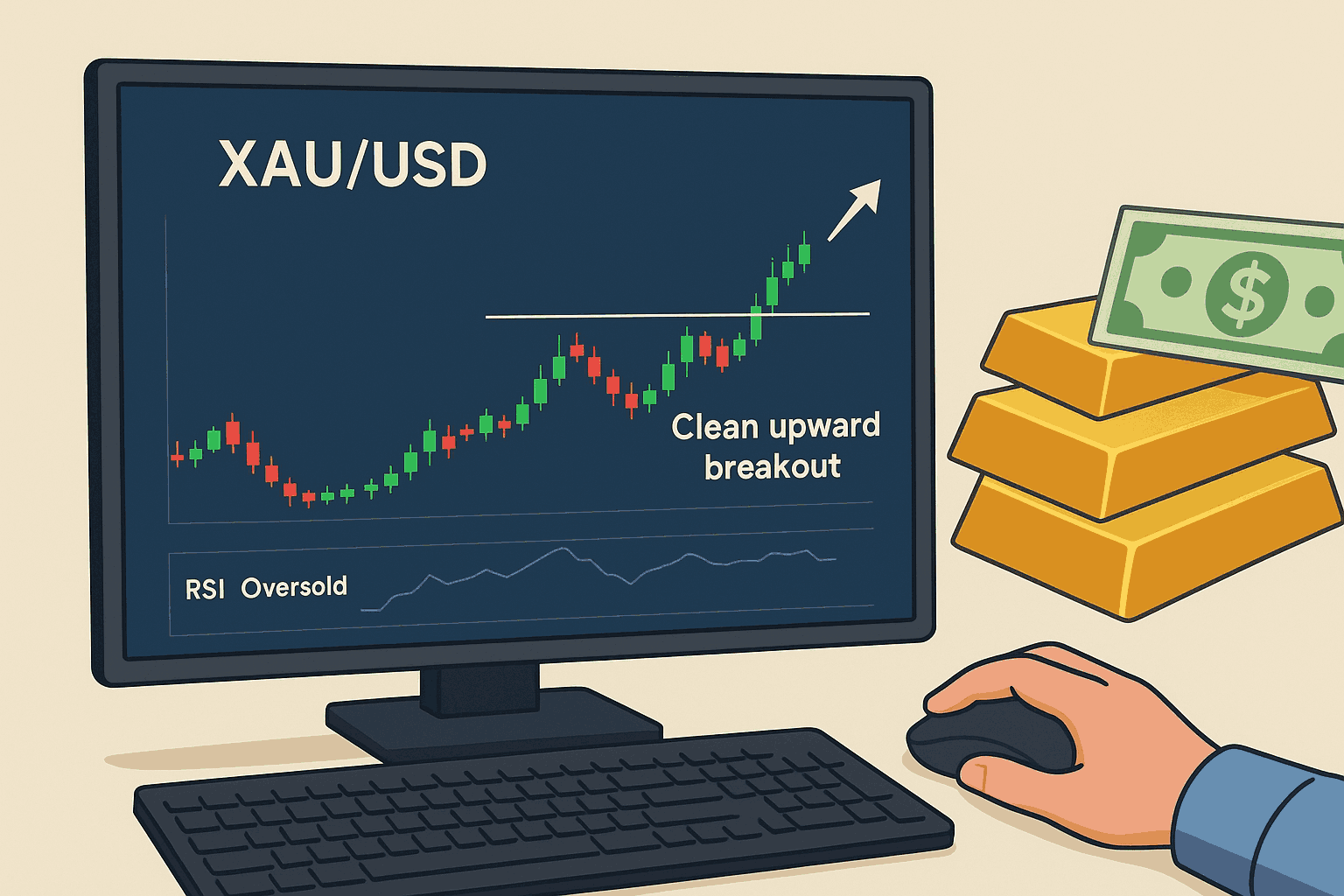
A profitable Gold (XAU/USD) signal review breaks down how a clear trade setup, disciplined execution, and MyFXBook verification combined to deliver gains. In this case study, an XAU/USD signal triggered by RSI oversold conditions and anticipated USD weakness was executed precisely, monitored patiently, and closed at target, illustrating how signals can lead to consistent profits when paired with disciplined trading.
Step 1: Identifying the Trade Signal
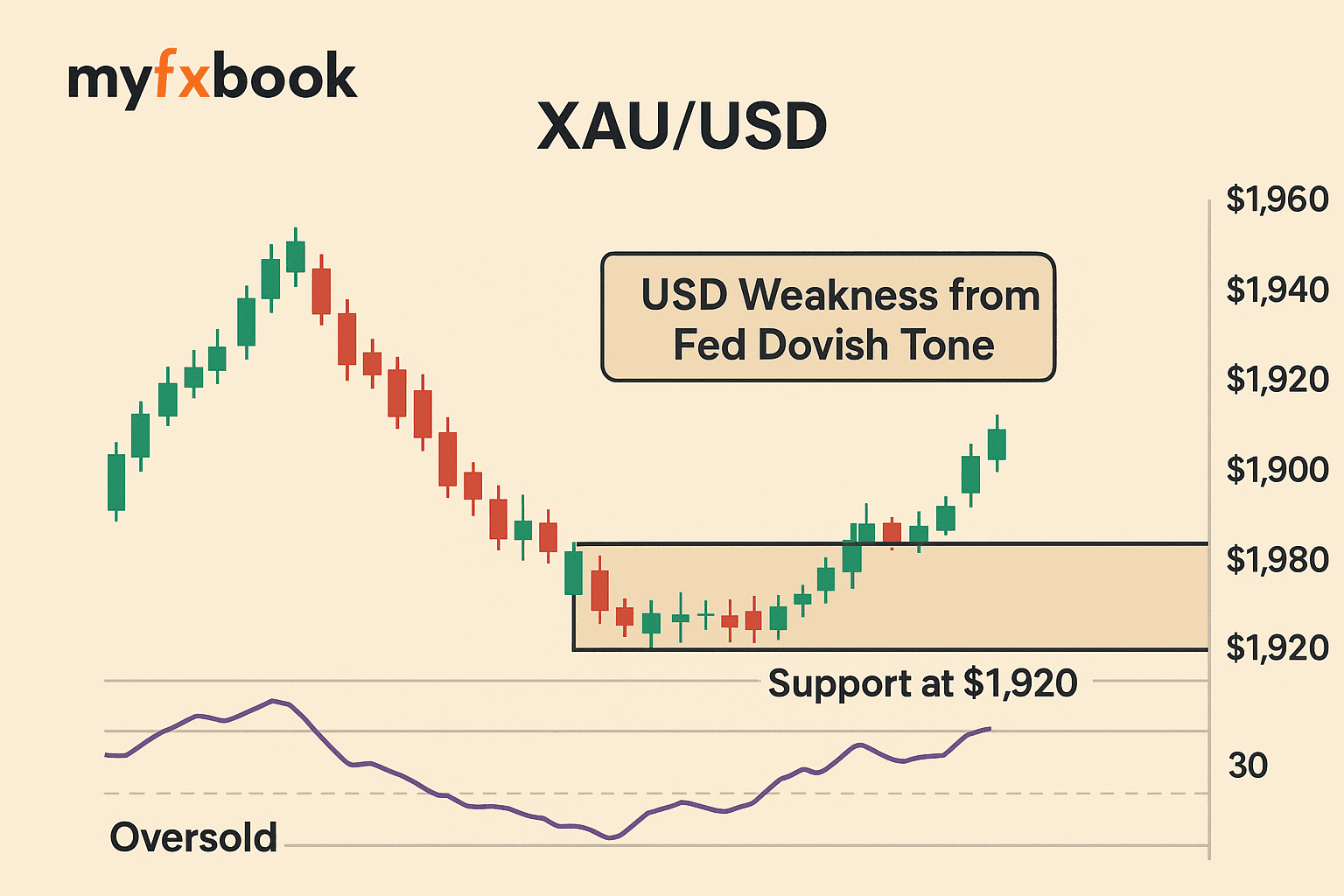
The profitable trade originated from a reliable forex signal provider, which suggested a long position on XAU/USD based on:
- Oversold conditions detected on the RSI
- Strong support around $1,920
- Anticipated USD weakness due to dovish comments from the Federal Reserve
The signal provided clear entry, stop-loss, and take-profit levels, allowing the trader to plan the trade meticulously. Verification on MyFXBook ensured transparency in execution and tracking.
Key observations during the signal evaluation:
- Signals should be cross-verified with technical indicators
- Entry points must align with support/resistance zones
- Market fundamentals, such as USD trends or geopolitical events, should support the technical setup
Step 2: Trade Execution
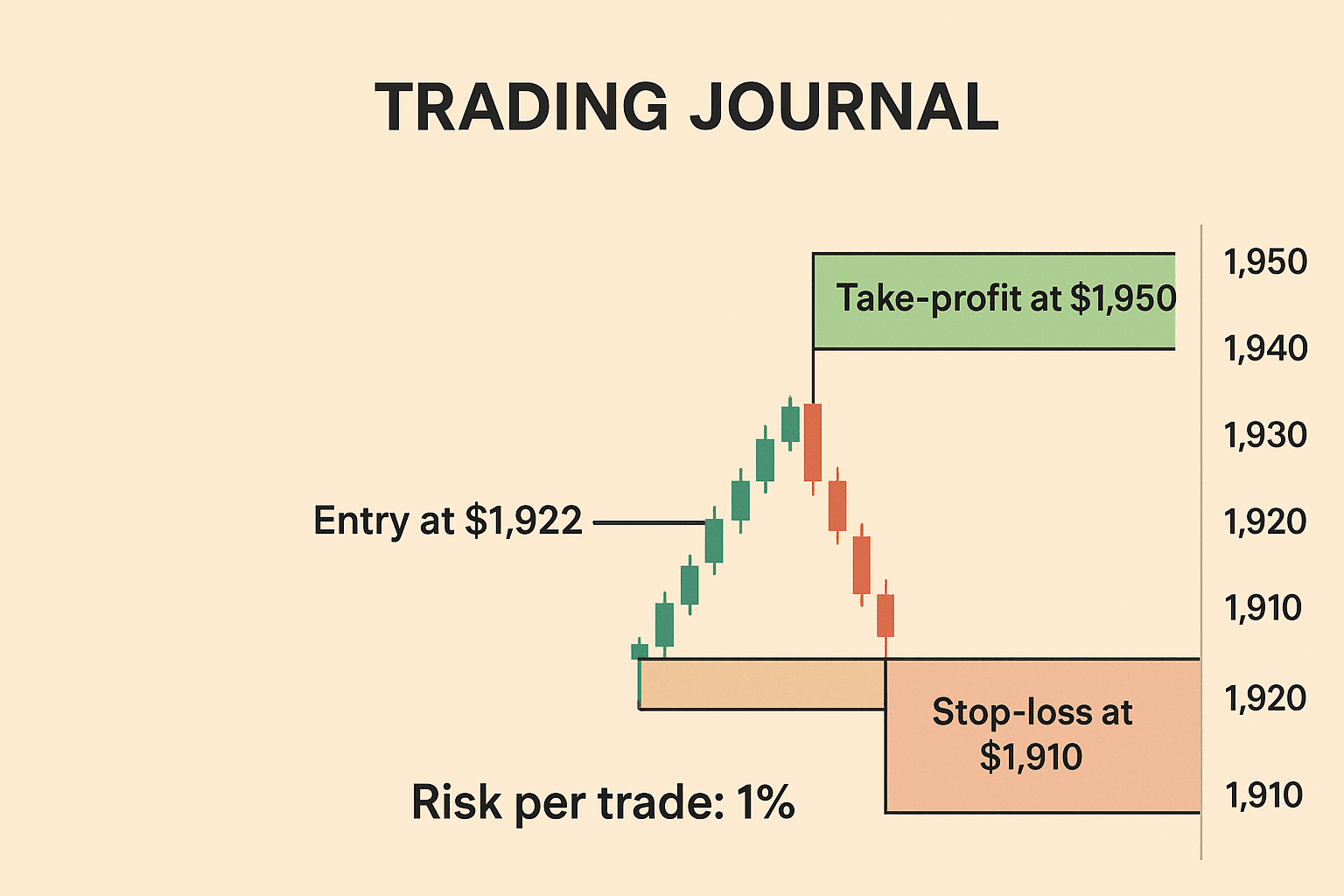
The trader entered the long position at $1,922, slightly above the identified support. The stop-loss was placed at $1,910, providing enough room to account for minor volatility, while the take-profit target was set at $1,950.
Position sizing was calculated to risk only 1% of the trading account, demonstrating disciplined risk management. The combination of a clear signal, defined risk, and favorable market conditions created an optimal environment for a profitable trade.
Key execution takeaways:
- Stick to the signal’s entry and risk parameters
- Avoid emotional deviations from the planned trade
- Real-time monitoring of price action is essential, especially for high-volatility assets like gold
Step 3: Monitoring the Trade
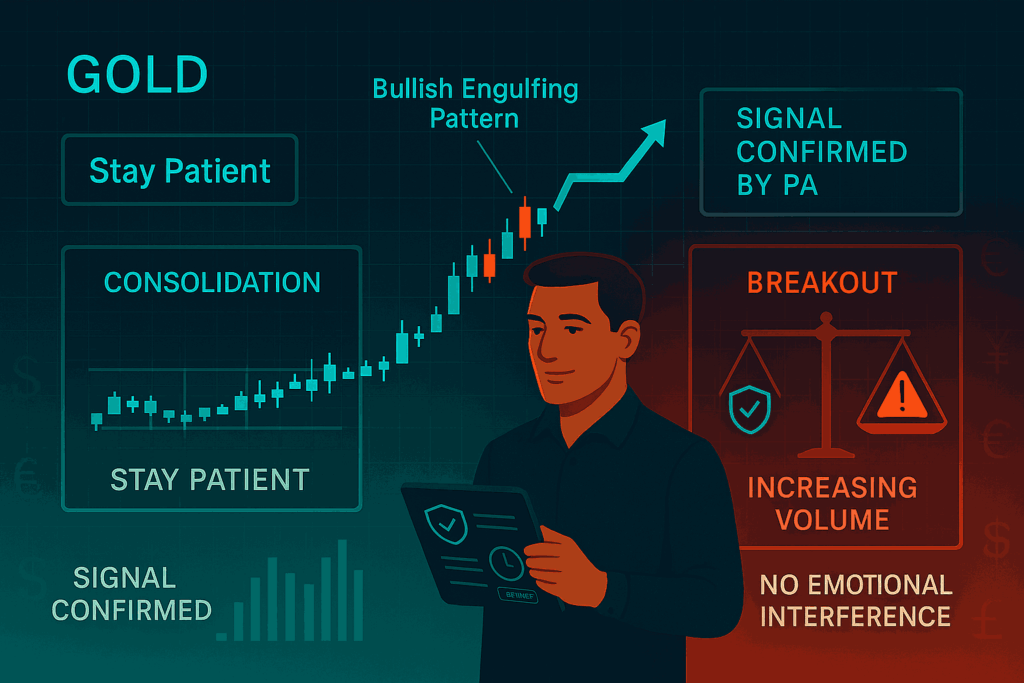
During the trade, XAU/USD initially consolidated around $1,925 before beginning a strong upward move. The trader monitored the charts, noting bullish candlestick patterns and increasing volume, confirming the signal’s validity.
No manual adjustments were made to the stop-loss, adhering strictly to the original plan. This discipline prevented overtrading or premature exits, ensuring that profits were maximized while risk remained controlled.
Lessons from the monitoring phase:
- Patience is crucial; allow the trade to follow the planned trajectory
- Observing confirmation patterns can reinforce confidence in a signal
- Avoid the temptation to “chase” the market, which can erode gains
Step 4: Trade Closure and Analysis
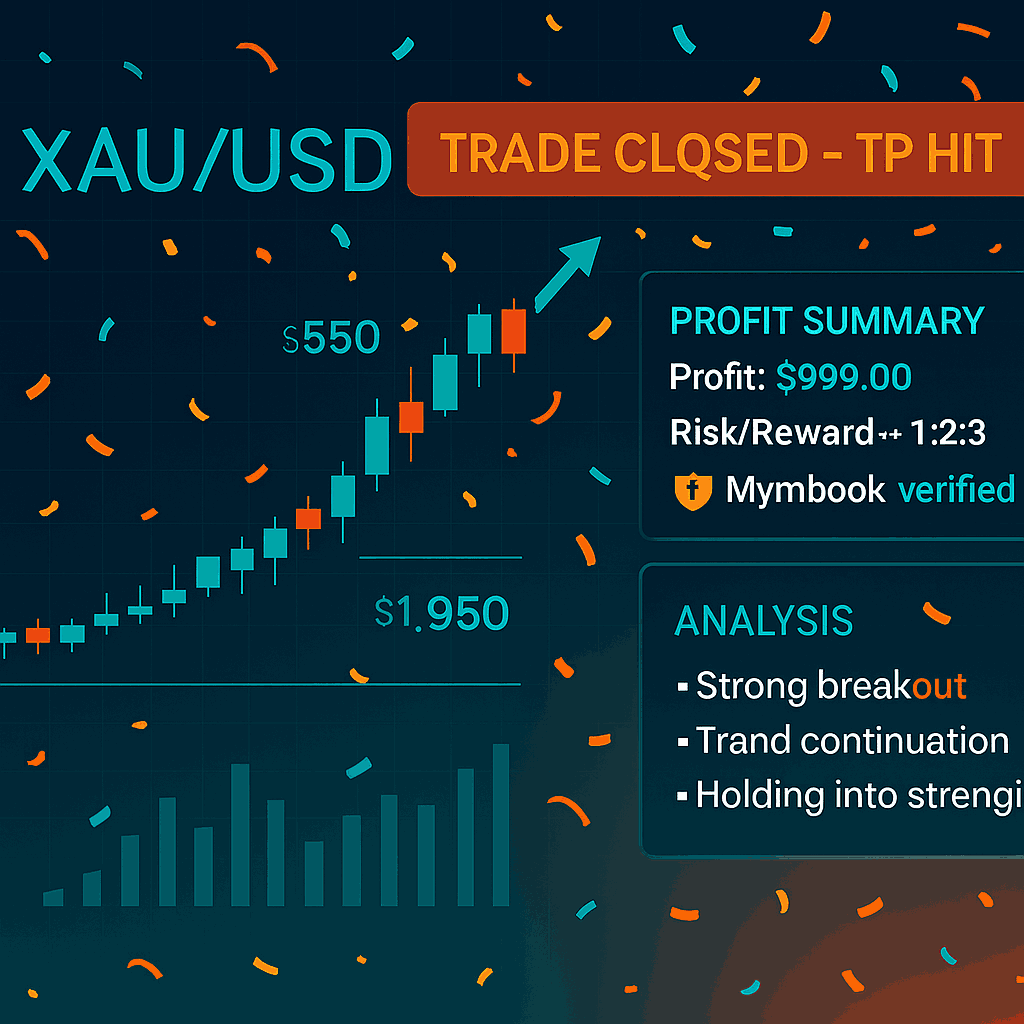
The trade reached its take-profit target at $1,950 within a few hours, yielding a strong, verified profit on MyFXBook. Post-trade analysis revealed:
- Technical alignment between the signal and market structure contributed to the win
- Risk management ensured that even if the trade had reversed, losses would have been limited
- Signals work best when combined with disciplined trade management and verification
Additional insights:
- Verified accounts, like those on MyFXBook, provide transparency and allow traders to objectively review signal performance
- Reviewing profitable trades reinforces best practices for future setups
Lessons Learned
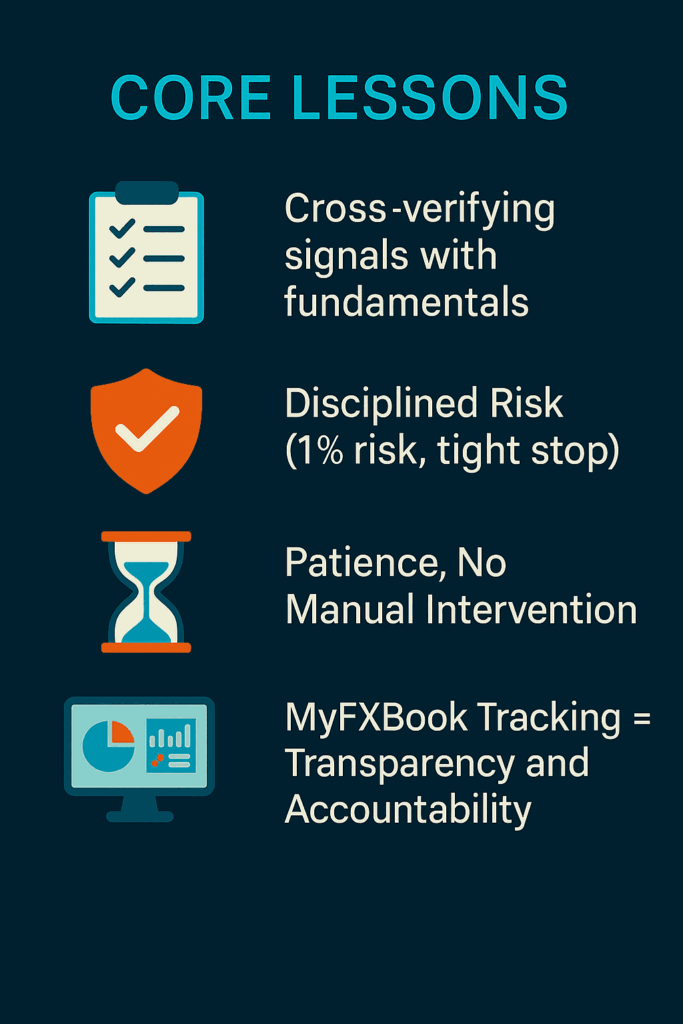
- Signal Verification: Cross-check signals with technical and fundamental analysis before execution.
- Risk Discipline: Proper stop-loss placement and position sizing protect against unexpected market moves.
- Patience and Monitoring: Allow trades to evolve naturally without emotional interference.
- Use of Verified Platforms: MyFXBook tracking ensures accountability and performance analysis.
Final Thoughts

This XAU/USD case study highlights how a well-structured signal, combined with disciplined execution, can yield profitable outcomes. Signals alone do not guarantee success, but when paired with proper risk control, market awareness, and MyFXBook verification, traders can systematically convert opportunities into consistent gains.
Understanding the steps behind a successful trade helps traders replicate these methods, improve their decision-making process, and build confidence in both signal-based and independent trading strategies.