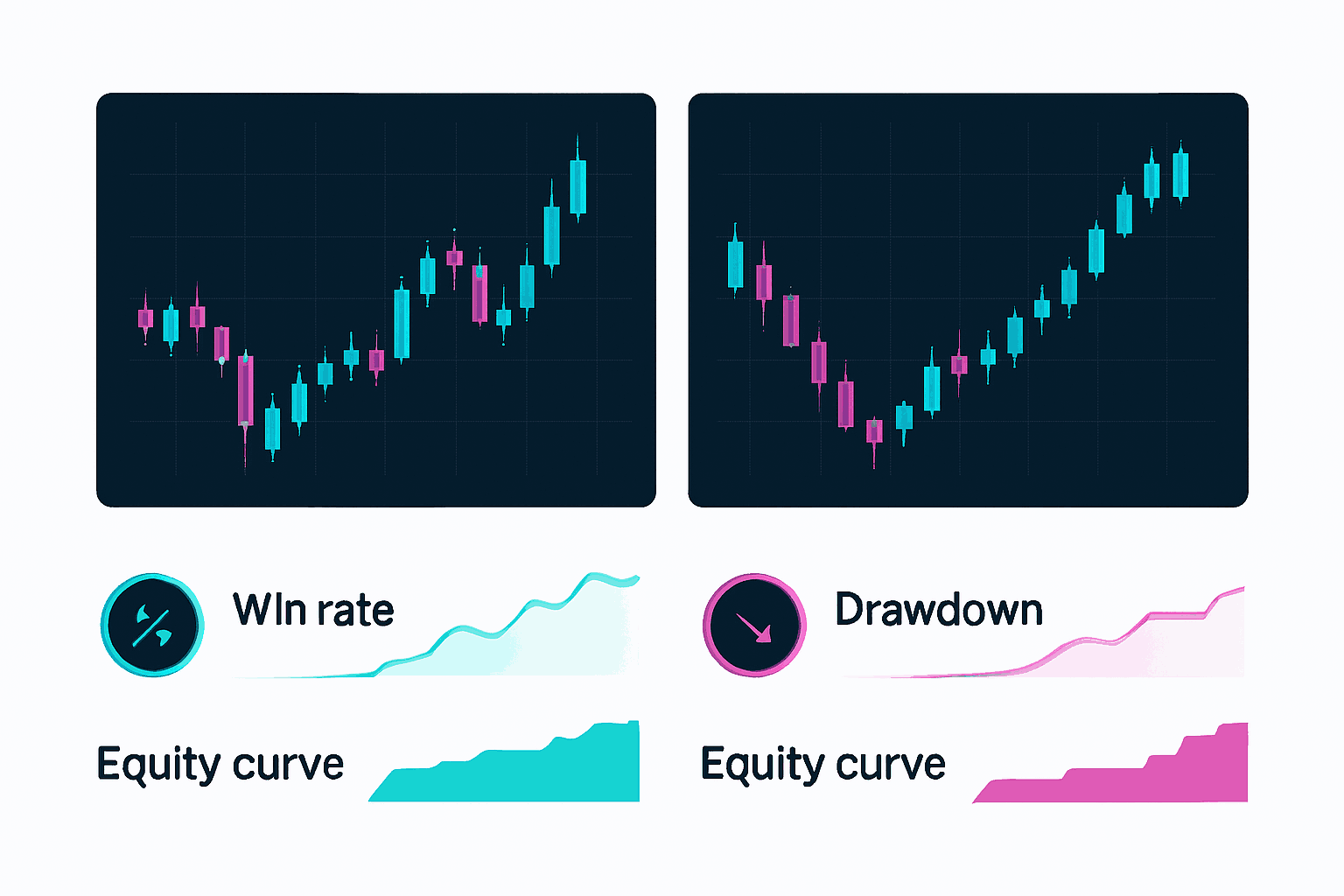
Weekly vs Monthly Tracking is essential for any forex trader who wants to achieve consistent results. However, a common debate revolves around the best tracking interval: weekly or monthly. Each approach has unique advantages and can significantly impact decision-making, risk management, and overall trading discipline. Understanding the differences and combining insights effectively can help traders maintain consistency while avoiding overreaction to short-term fluctuations.
Weekly Tracking: Immediate Feedback for Agile Trading
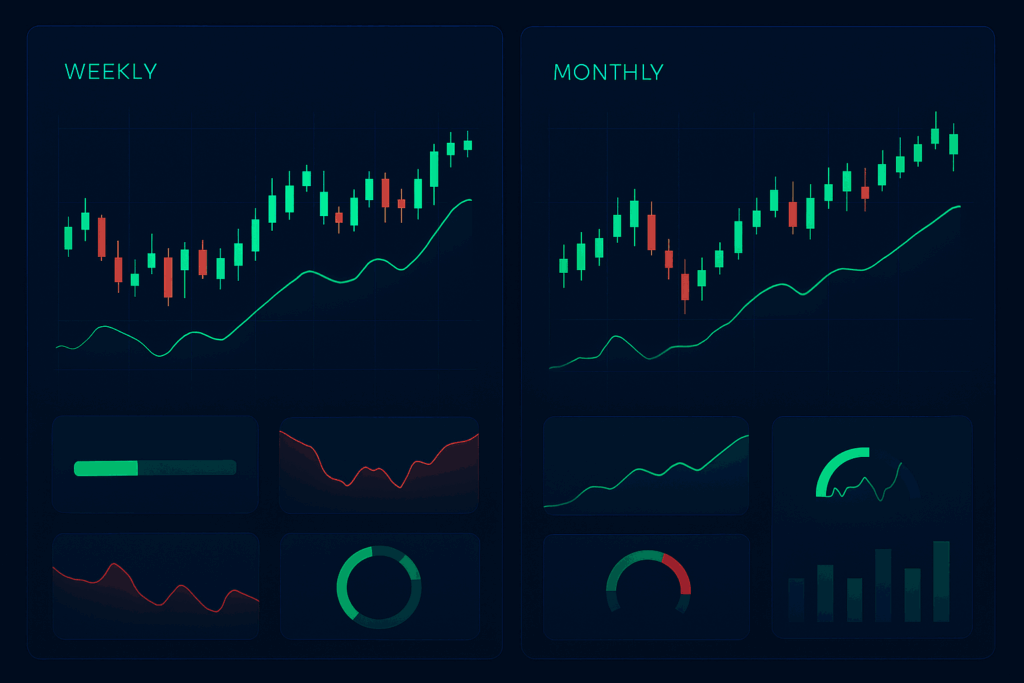
Weekly tracking involves reviewing trades, profit and loss, drawdowns, and risk metrics on a weekly basis. This approach provides near real-time insights, allowing traders to respond quickly to market conditions.
- Advantages:
- Early Identification of Issues: By monitoring performance weekly, traders can spot losing streaks or deviations from strategy sooner, preventing small problems from escalating.
- Adaptive Strategy Tweaks: Market conditions can change rapidly. Weekly tracking allows traders to make minor adjustments to entries, exits, or risk management without waiting for a full month.
- Maintaining Discipline: Frequent reviews reinforce good habits and ensure traders stay accountable to their trading plan.
- Challenges:
Weekly tracking can sometimes encourage overanalysis. Traders may overreact to minor drawdowns or short-term volatility, leading to unnecessary strategy changes.
Monthly Tracking: Big-Picture Perspective
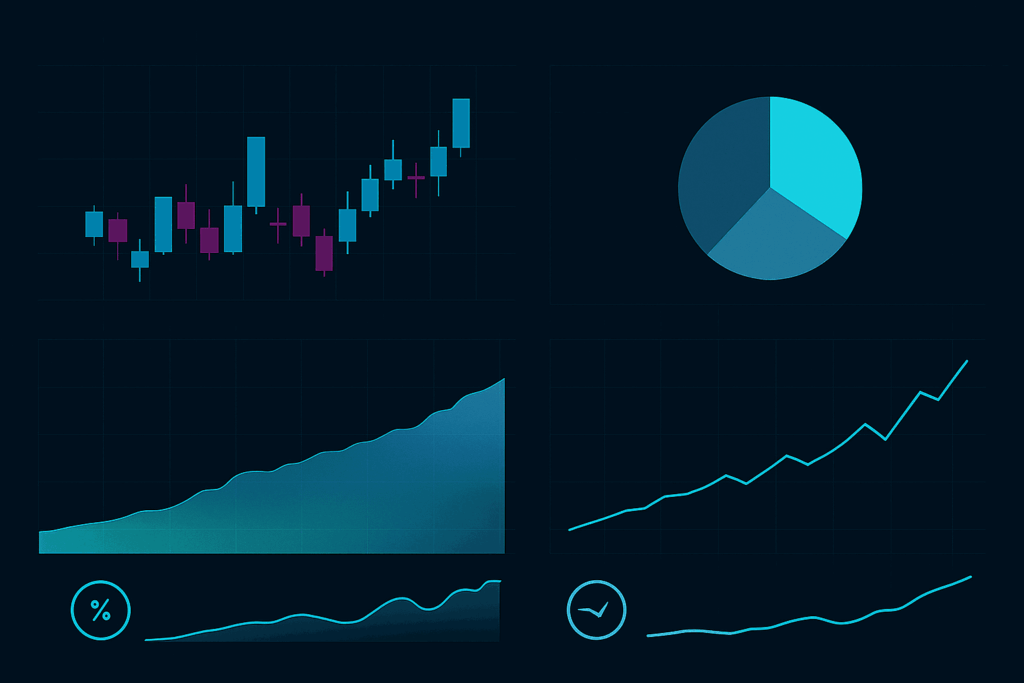
Monthly tracking offers a broader view of performance, helping traders assess trends, profitability, and risk over a longer horizon.
- Advantages:
- Long-Term Insights: Reviewing monthly results helps identify consistent patterns and the overall effectiveness of trading strategies.
- Reduced Emotional Reaction: A longer interval filters out minor fluctuations and reduces the temptation to adjust strategies based on short-term noise.
- Goal Setting: Monthly tracking aligns with broader trading goals, such as achieving target returns or evaluating the performance of specific trading systems.
- Challenges:
Waiting a full month to review performance can delay important interventions. If issues go unnoticed, losses may accumulate before corrective measures are taken.
Combining Weekly and Monthly Tracking
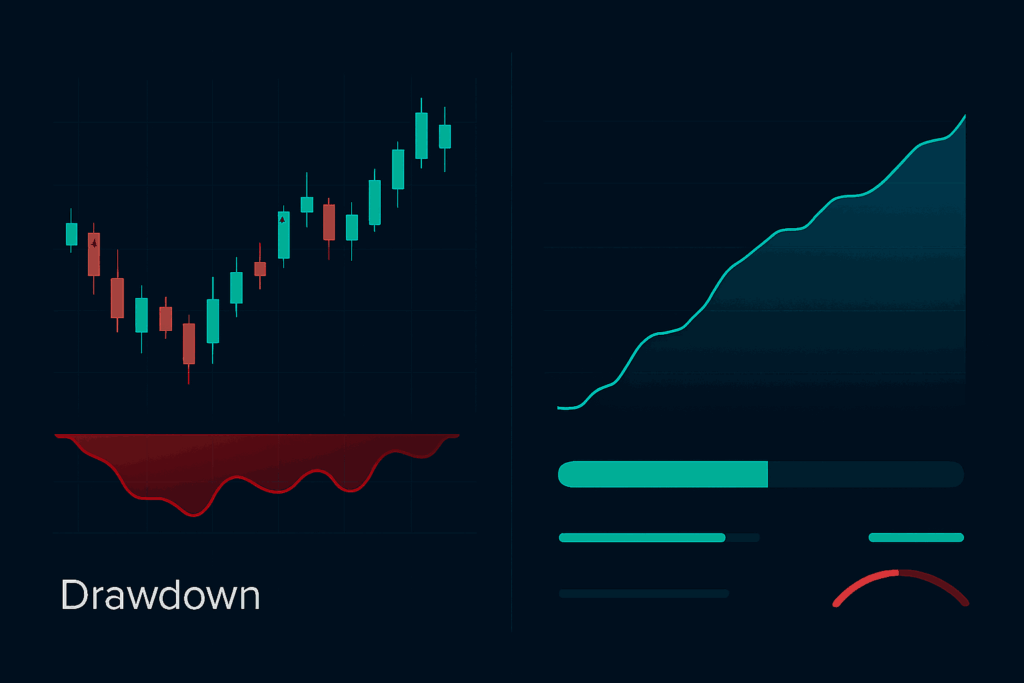
The most effective approach is to combine both weekly and monthly reviews. Traders can monitor weekly metrics for immediate feedback while using monthly reports for strategic evaluation.
- Weekly Review: Focus on active trades, drawdowns, risk metrics, and any deviations from the trading plan. This ensures that traders remain nimble and responsive.
- Monthly Review: Analyze cumulative profits, win-loss ratios, average drawdowns, and overall risk-adjusted returns. Monthly tracking helps assess whether the trading strategy is delivering consistent results over time.
By integrating both intervals, traders can balance short-term adaptability with long-term discipline. Weekly insights guide tactical adjustments, while monthly analysis provides strategic perspective.
Key Metrics to Track

Regardless of the interval, the following metrics should be monitored consistently:
- Net Profit/Loss: Tracks overall account growth and identifies profitable strategies.
- Drawdowns: Helps measure risk exposure and the resilience of strategies.
- Win Rate & Risk-Reward Ratio: Ensures trades are executed with a consistent edge.
- Equity Curve Analysis: Visualizes performance trends and highlights periods of over- or underperformance.
Platforms like MyFXBook allow traders to automate these reviews, offering both weekly and monthly analytics in a single interface. This flexibility ensures traders can adapt to market conditions without compromising strategic insight.
Final Thoughts

Weekly and monthly tracking serve complementary purposes. Weekly tracking provides real-time feedback and tactical adjustments, while monthly tracking gives a long-term perspective and strategic evaluation. Traders who balance both approaches tend to make more informed decisions, manage risk effectively, and maintain consistency over time.
Consistency in forex trading is not just about executing trades but also about disciplined performance monitoring. Using a structured review process ensures that traders stay proactive, avoid emotional reactions, and refine strategies for sustained success in the dynamic forex market.