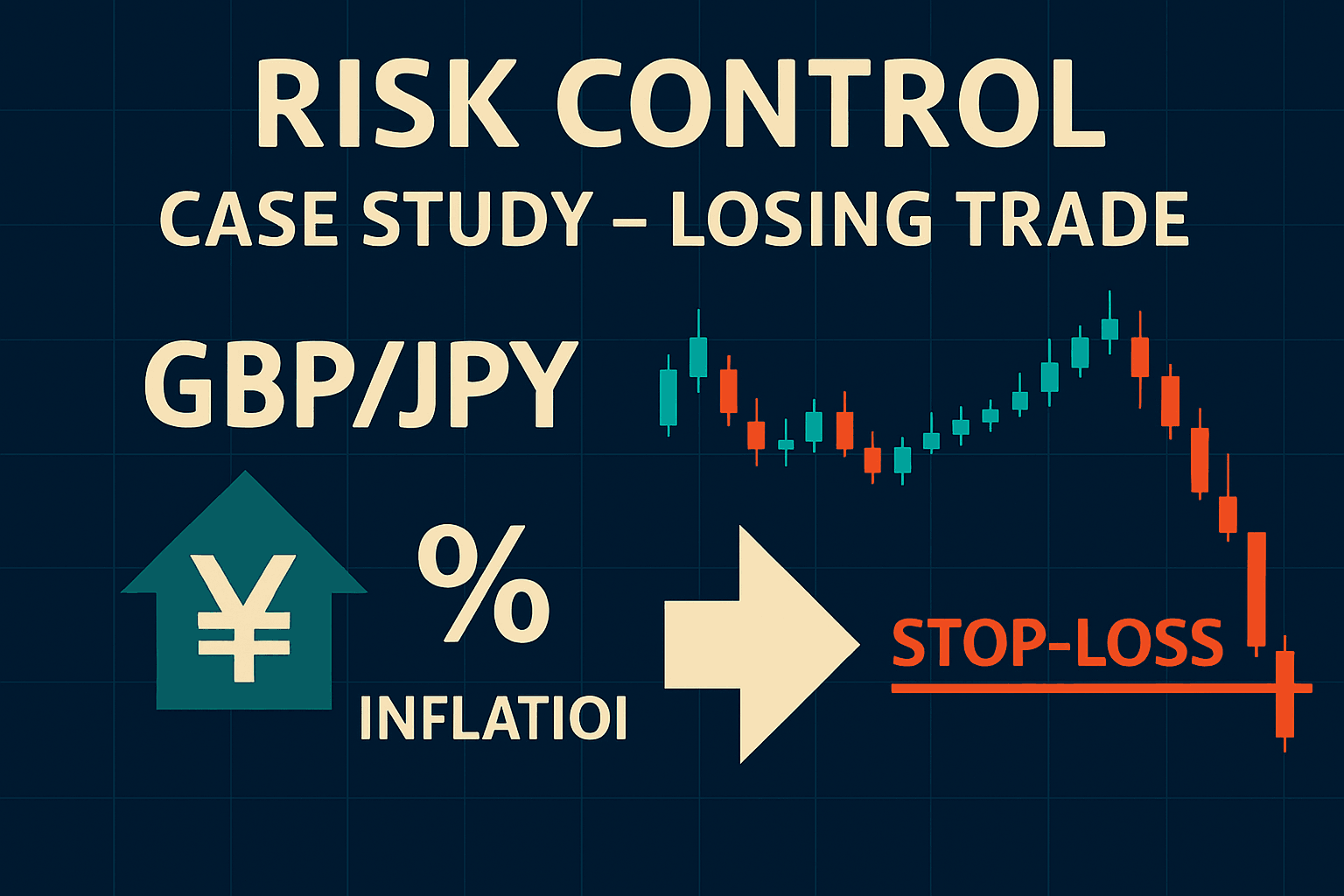
In forex trading, losses are often more instructive than wins. A losing trade can reveal weaknesses in strategy, risk management, or execution that a profitable trade might conceal. This case study examines a MyFXBook-verified GBP/JPY trade that ended in a loss, highlighting the lessons it provides on proper risk control and disciplined trading.
Why Study Losing Trades
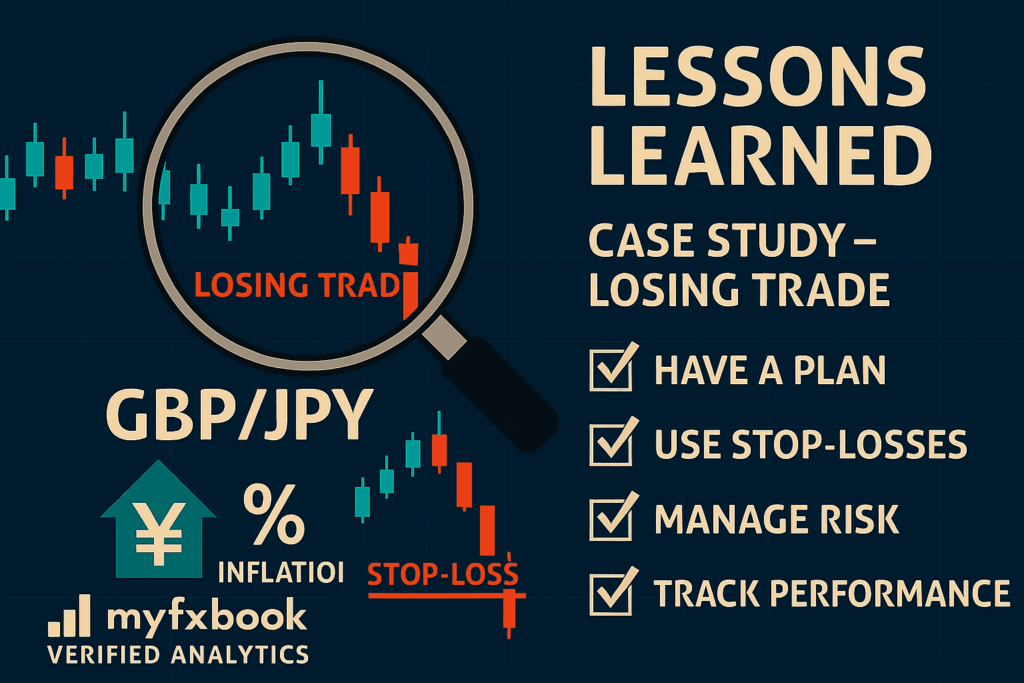
Many traders focus solely on winning strategies, but analyzing losses is crucial for sustainable performance. A verified account on MyFXBook allows for:
- Accurate tracking of trade execution
- Detailed risk and drawdown metrics
- Post-trade analysis of timing and market conditions
- Identifying recurring mistakes for improvement
By studying losing trades objectively, traders can implement corrective measures and enhance long-term profitability.
Step 1: Trade Setup
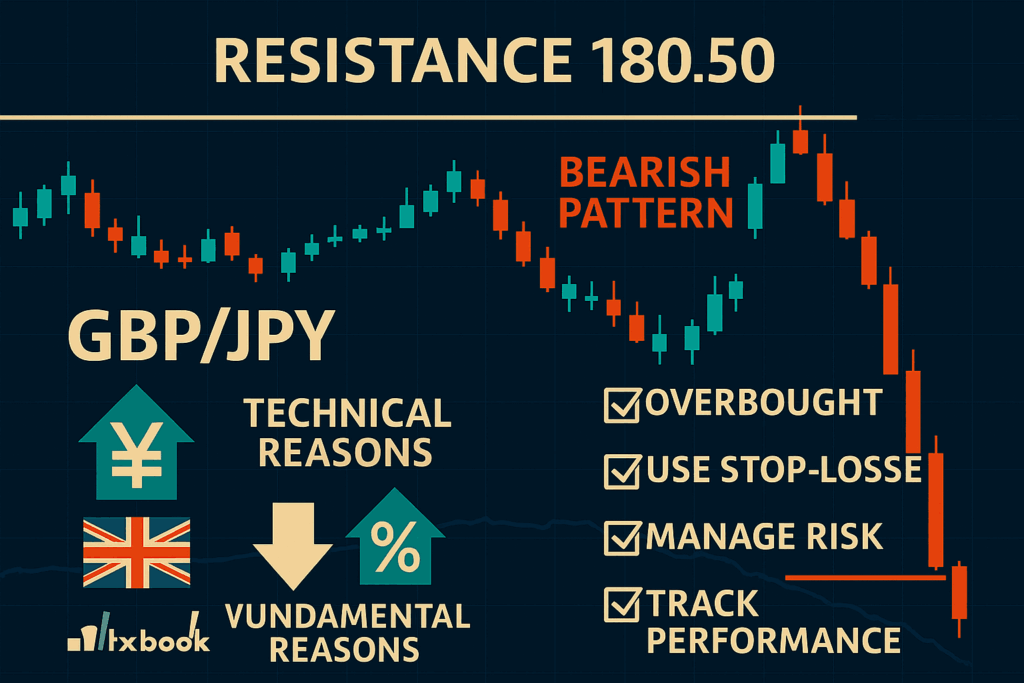
The GBP/JPY trade in question was initiated on a short bias. The trader observed:
- A rising resistance zone around 180.50
- Bearish candlestick patterns signaling potential reversal
- Technical indicators like the RSI showing overbought conditions
Fundamentally, the trade was supported by weaker UK economic data relative to Japan’s stronger indicators. The confluence of technical and fundamental signals created a seemingly high-probability shorting opportunity.
Key observations during setup:
- Importance of identifying strong technical levels
- Using multiple indicators to confirm entry points
- Cross-checking economic releases that could influence market sentiment
Step 2: Trade Execution
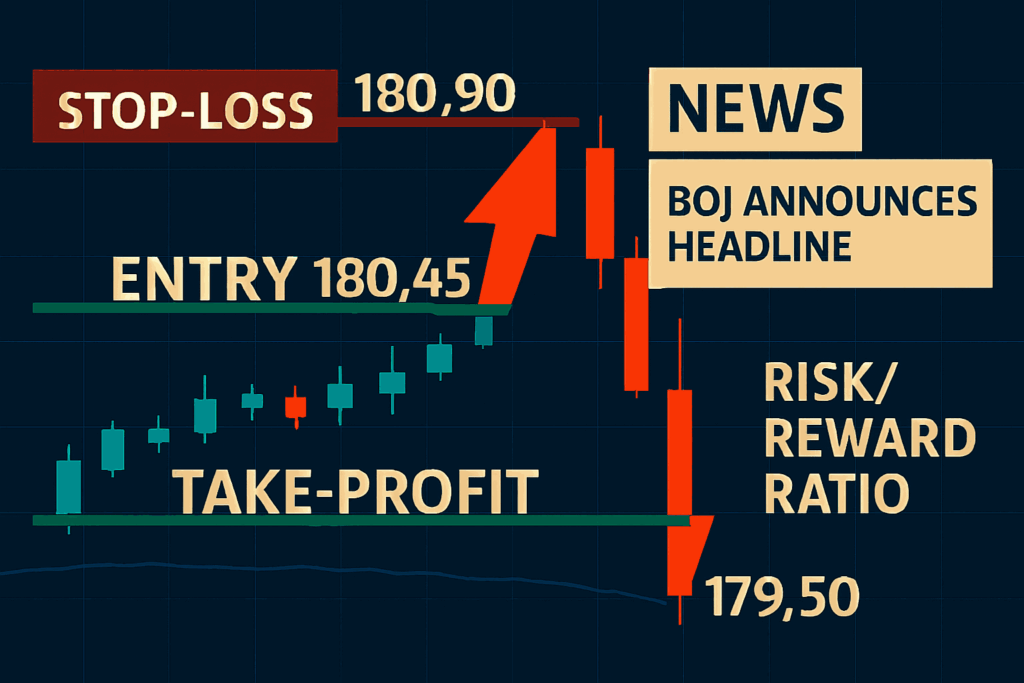
The trade was executed at 180.45 with a stop-loss at 180.90, slightly above the resistance zone, and a take-profit target at 179.50. Position sizing was calculated to risk no more than 1% of the account equity.
Despite a well-structured plan, the market initially moved in favor but soon reversed due to an unexpected BoJ announcement that strengthened the yen. The GBP/JPY pair surged, hitting the stop-loss within a few hours.
Lessons from execution phase:
- Even a well-planned trade can be disrupted by unforeseen events
- Stop-loss placement and position sizing are crucial to limit losses
- Flexibility is important, but impulsive adjustments can compound risk
Step 3: Monitoring and Adjustments
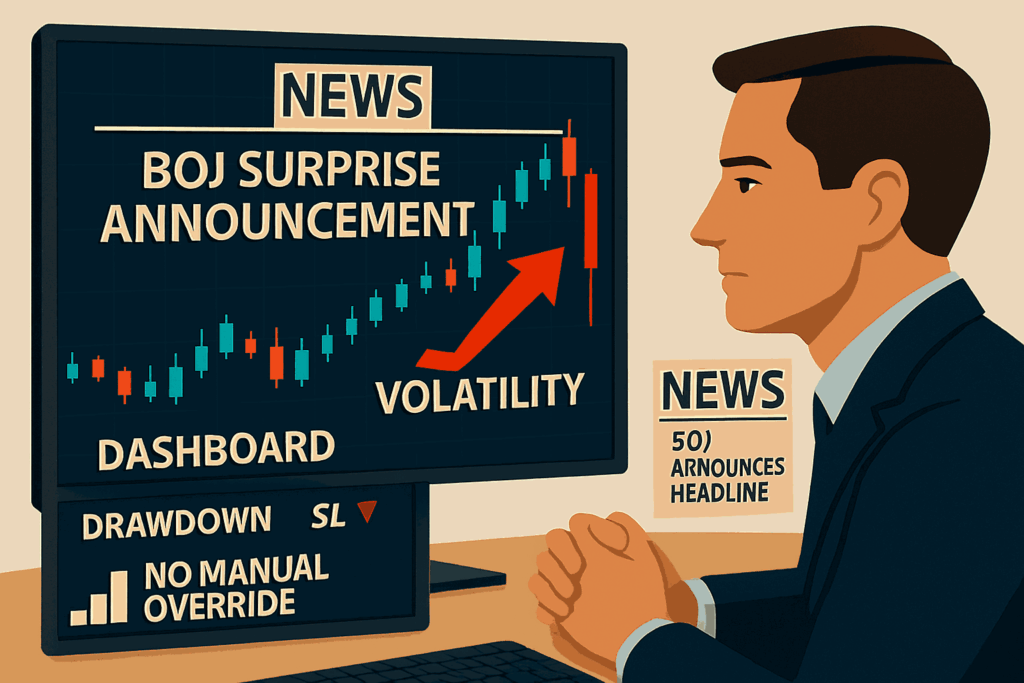
During the trade, the trader observed increased volatility caused by the BoJ intervention. Attempting to manually adjust the stop-loss to avoid a loss would have violated the initial risk management plan. MyFXBook verification clearly documents the trade’s drawdown, entry, and exit points, highlighting how sticking to the plan prevented a more significant loss.
Key takeaways during monitoring:
- Emotional discipline prevents overtrading or moving stop-losses
- Real-time news can disrupt technical setups unexpectedly
- Verification tools like MyFXBook provide transparency to evaluate these reactions objectively
Step 4: Post-Trade Analysis
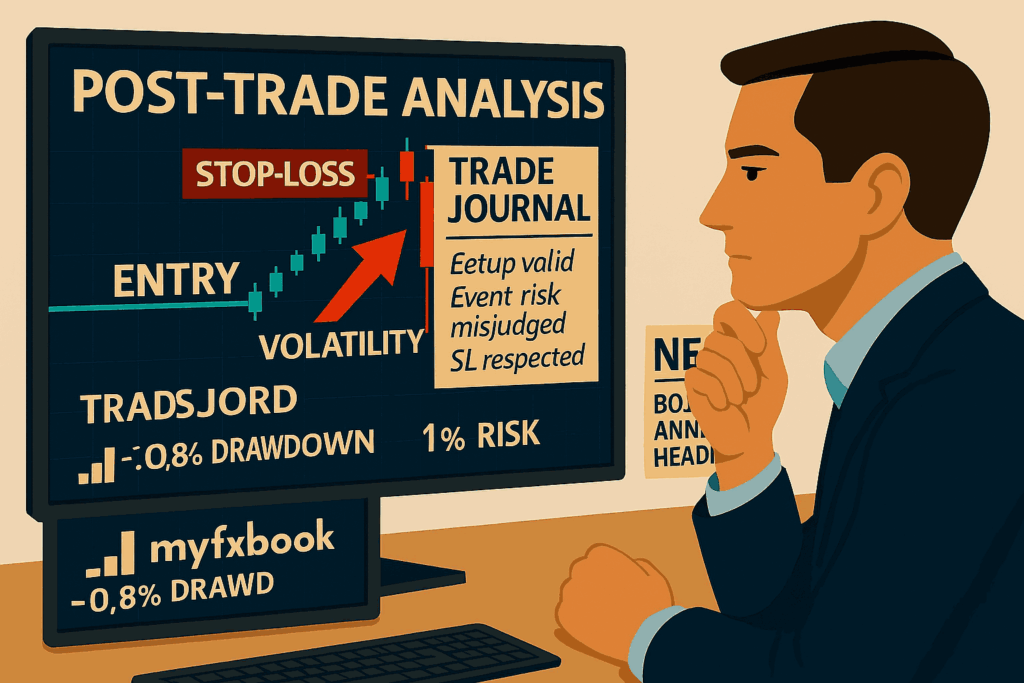
After closing at the stop-loss, the trader analyzed the trade:
- The technical setup was sound, but external fundamental events were underestimated
- Risk management prevented a large drawdown
- Emotional reaction control was maintained, avoiding panic trades
This analysis reinforced the principle that losses are part of trading, and disciplined risk management ensures long-term sustainability.
Lessons Learned
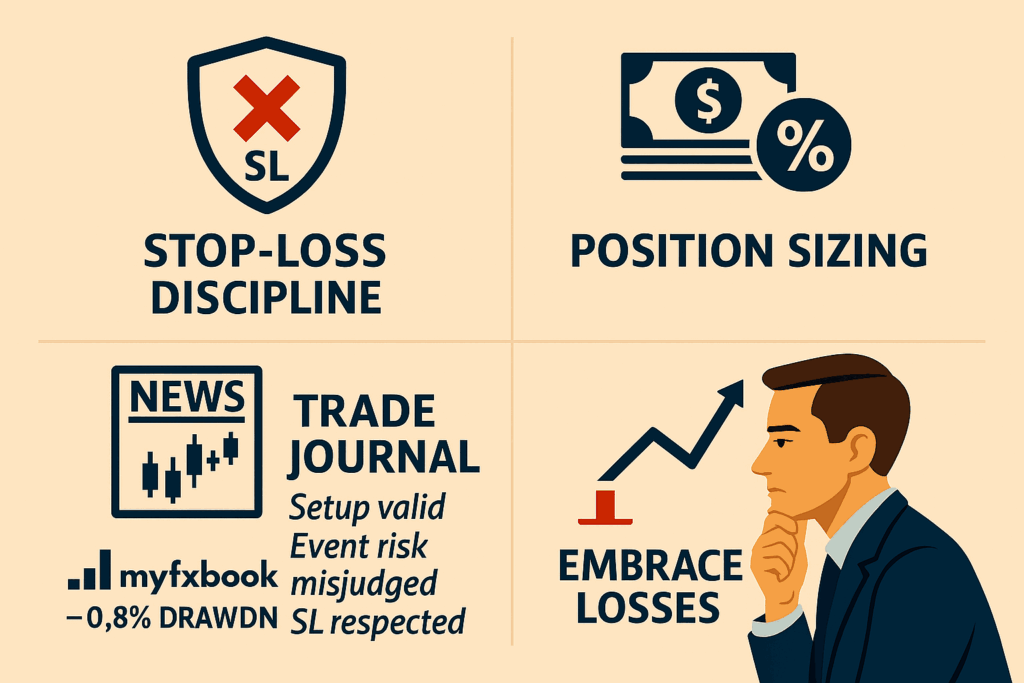
- Stop-Loss Discipline: Never move or ignore stop-losses, even in volatile conditions.
- Position Sizing: Limiting exposure prevents a single trade from significantly harming the account.
- Fundamental Awareness: Unexpected news events can override technical setups.
- Embrace Losing Trades: Losses provide actionable insights for refining strategies and improving decision-making.
Final Thoughts
This GBP/JPY case study demonstrates that a losing trade does not indicate failure; rather, it is a learning opportunity. MyFXBook verification ensures that traders can objectively review their performance, understand what went wrong, and strengthen future strategies.
By studying losses with discipline, traders can improve risk control, refine market analysis skills, and maintain the consistency necessary for long-term success. Learning from losing trades is a cornerstone of professional trading and a critical component of building sustainable forex performance.